When the Glen Breathes at First Light
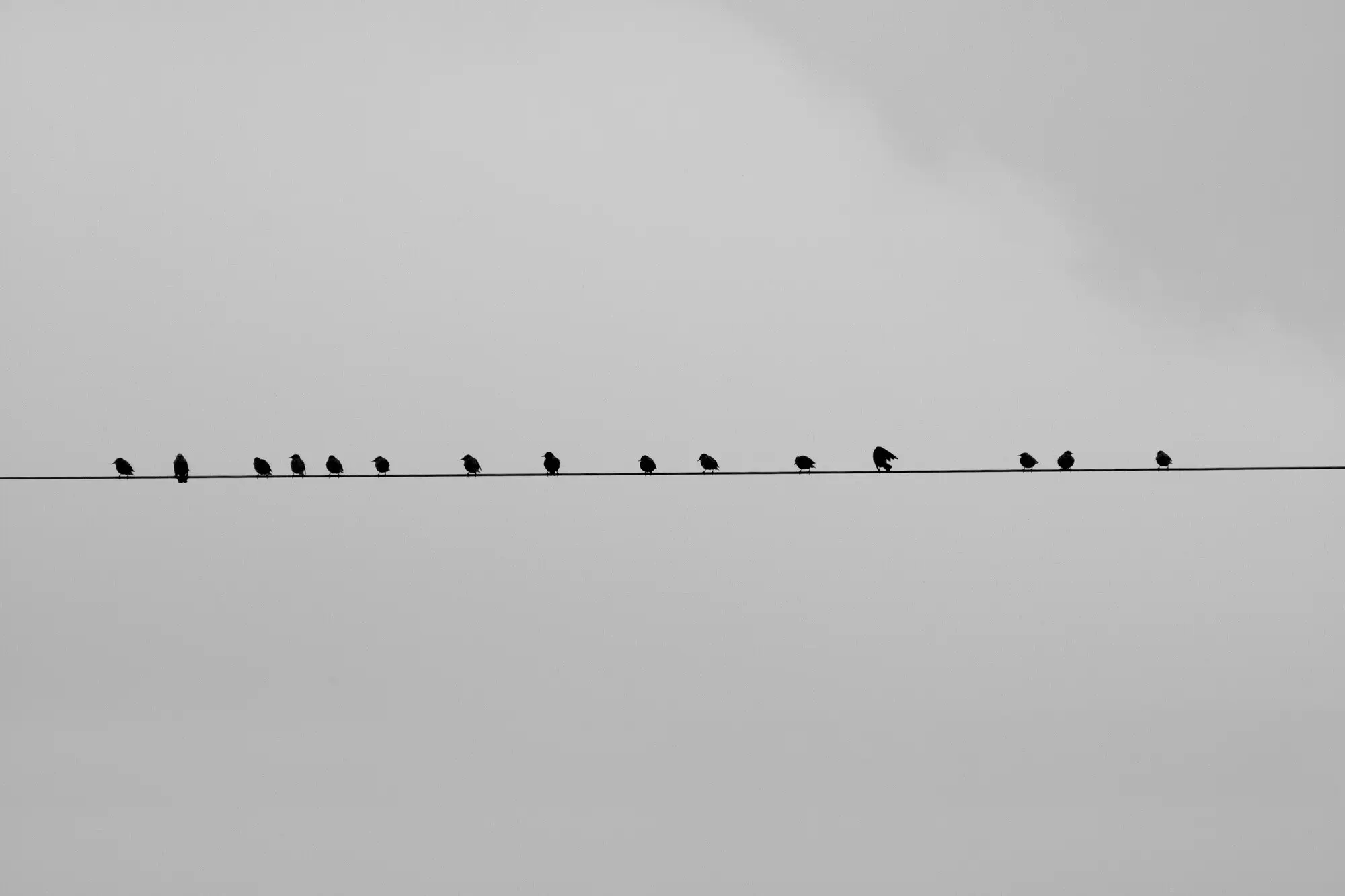
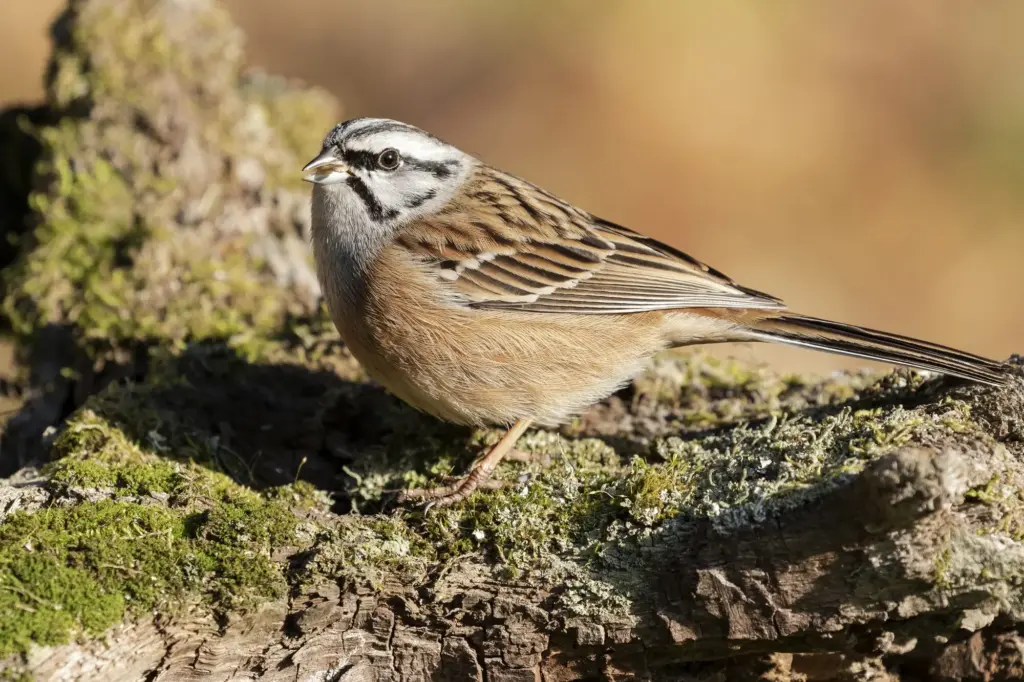
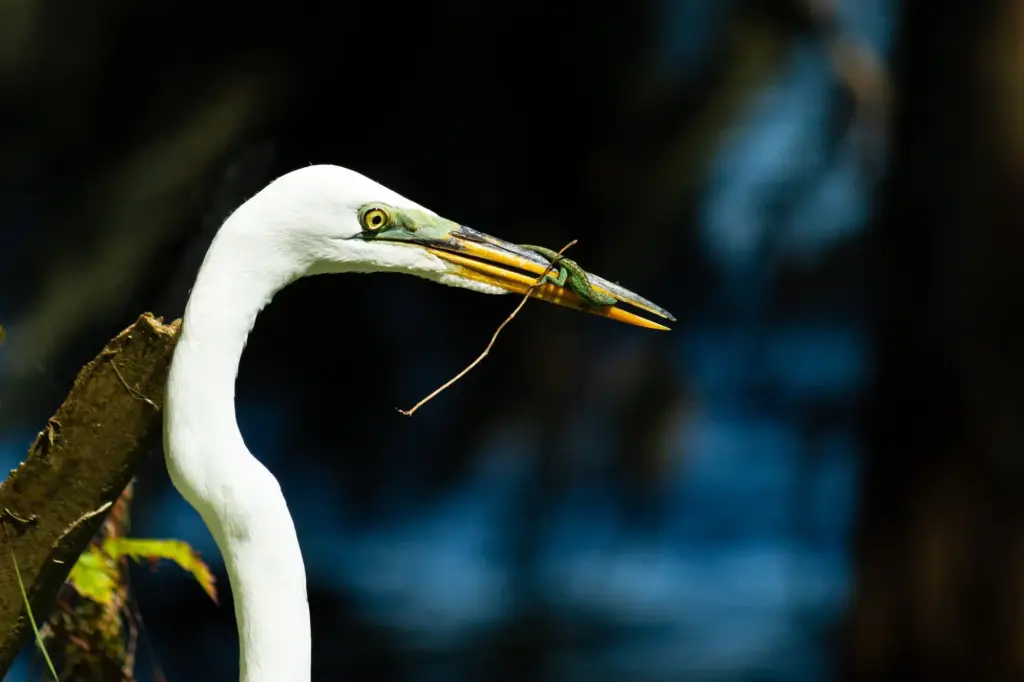
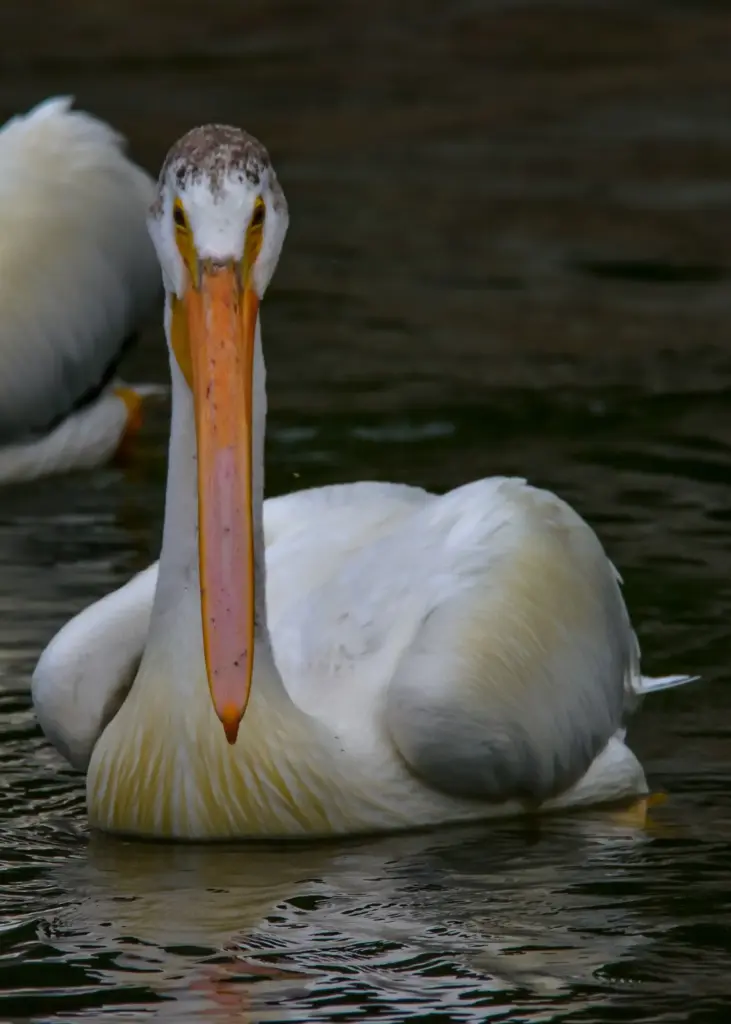
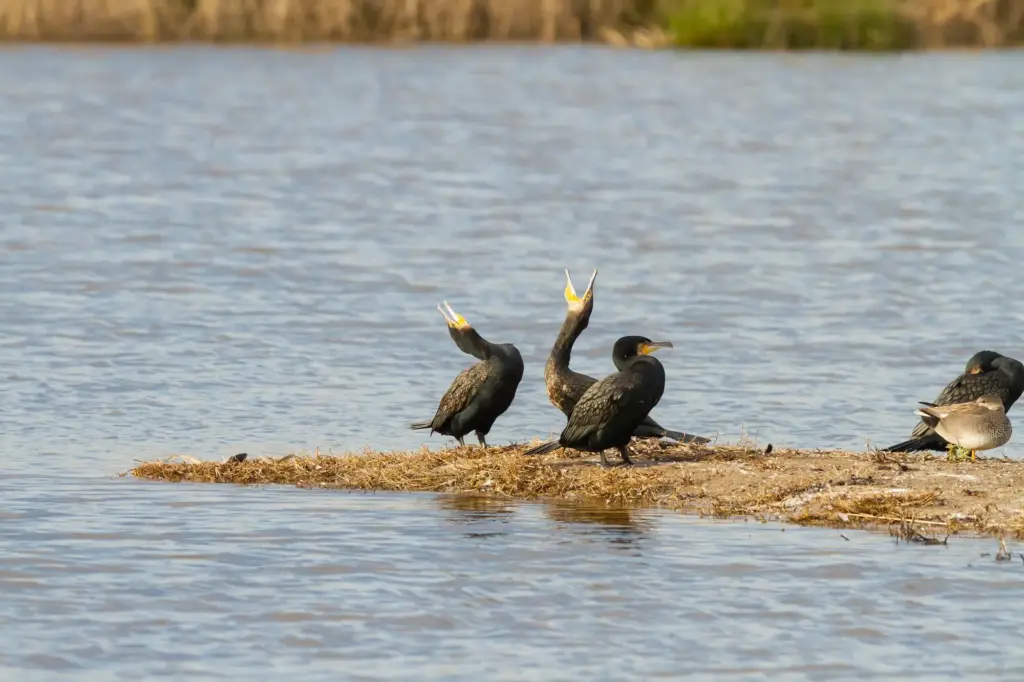
Step into Dawn Wildlife and Birdwatching in Highland Glen, where chill mist drifts between Scots pines, peat bogs glow faintly, and silhouettes rise like whispered stories from the heather. We’ll guide you through early starts, thoughtful fieldcraft, and awe-filled, respectful encounters, helping you notice small movements, listen for distant calls, and ground every step in care. Expect practical tips, soulful anecdotes, and gentle nudges toward conservation, so your morning watch becomes both a personal ritual and a gift back to this quietly astonishing landscape.

Chasing the Hush Before Sunrise

Dawn does not simply arrive; it assembles, piece by piece, in plain air. Learn how civil and nautical twilight paint different layers of visibility, why summer’s long Highland gloam reshapes timing, and how winter’s lean light compresses possibilities without diminishing wonder. Arrive earlier than seems sensible, walk softer than feels necessary, and let patience expand your senses until the hillside’s scattered notes gather into a living, breathing symphony of feathers, fur, and vapor.

Reading the Sky Clock

Treat first light like a local timetable: civil twilight lifts outlines, nautical twilight suggests shapes, and true sunrise briefly gilds everything you thought you knew. In the Highlands, summer lingers in silver-blue, granting unhurried moments, while winter demands precision and warmth. Check forecasts, note wind direction, and plan to be settled at least forty-five minutes before sunrise, so the glen can forget your arrival and resume its brave, unguarded conversation.

Maps, Access, and Quiet Paths

Study OS maps for contour lines that cradle lochs, funnel wind, and frame good silhouettes. Choose estate tracks or deer paths that avoid fragile ground-nesting zones and never shortcut through sensitive bog. Park considerately, close gates, and follow local access guidance. Approach from downwind and keep your profile low against backdrops. The best vantage often sits just off the obvious ridge, where your outline disappears and birds keep living their morning without interruption.

Voices That Lift the Hills

At first, it’s only a question: who sings that thin silver thread above the heather? Soon, the air fills with runs, rattles, drumming wings, and liquid whistles, each call revealing habitat, season, and story. Learning these voices changes everything, letting you map birds by ear, anticipate movement before it happens, and enjoy respectful distance while still feeling intimately connected to every tussock, pine crown, riverbend, and wind-lifted slope surrounding your patient vantage.

Where Water, Wood, and Moor Meet

Transitions hold surprises. Follow streams feathered with birch, watch loch margins unwrap morning mirrors, then climb to the heather’s restless brow. Each habitat offers different rhythms of light, cover, and sound, so weaving them together makes the morning feel expansive. Move thoughtfully between zones, pausing where boundaries blur, because wildlife often chooses the seam—those in-between places where driftwood, reeds, stones, and shadows share company—and quietly choreographs the day’s earliest unforgettable gestures.

Gear That Lets You See More, Disturb Less

Choosing Binoculars and Scopes

An 8x42 binocular often balances steadiness, brightness, and field of view for first light, while 10x42s add reach for confident hands. A compact 60–80 mm scope on a stable tripod reveals distant leks and ridge-top silhouettes without stepping closer. Prioritize comfort: a well-fitted harness, lens cloths, and fog-resistant coatings. Remember, optics are invitations to linger where wildlife feels safest—far enough that their routines continue, close enough that your understanding quietly deepens.

Camera Settings in Thin Light

An 8x42 binocular often balances steadiness, brightness, and field of view for first light, while 10x42s add reach for confident hands. A compact 60–80 mm scope on a stable tripod reveals distant leks and ridge-top silhouettes without stepping closer. Prioritize comfort: a well-fitted harness, lens cloths, and fog-resistant coatings. Remember, optics are invitations to linger where wildlife feels safest—far enough that their routines continue, close enough that your understanding quietly deepens.

Fieldcraft Over Megazoom

An 8x42 binocular often balances steadiness, brightness, and field of view for first light, while 10x42s add reach for confident hands. A compact 60–80 mm scope on a stable tripod reveals distant leks and ridge-top silhouettes without stepping closer. Prioritize comfort: a well-fitted harness, lens cloths, and fog-resistant coatings. Remember, optics are invitations to linger where wildlife feels safest—far enough that their routines continue, close enough that your understanding quietly deepens.

Weatherproof, Midge-Proof, Quietly Prepared

Pack breathable layers, a windproof shell, and warm gloves that still manage binocular focus. Highlands midges adore still, damp dawns—bring a head net, repellent, and a calm attitude. Check for ticks after heather walks, especially around sock lines. A flask, small sit pad, and spare socks lengthen patience. Red headlamp modes protect night vision while setting up. Preparation buys stillness, and stillness buys encounters that hurried, uncomfortable watchers frequently miss without ever knowing why.

Respect for Nests, Leks, and Livelihoods

Ground-nesting birds need space from April through July; keep dogs close or leashed, and favor established tracks. Never approach a black grouse arena or sensitive forest display areas; watch from long range with optics. Skip playback during breeding. Leave gates as found, avoid blocking farm access, and step aside for estate work. Share locations thoughtfully, never precise nest sites. Courtesy ensures these mornings remain possible—for you, for neighbors, and for the creatures we admire.

Moments Worth Sharing

Some mornings give a single bright instant that steadies you for weeks—a ripple of otter rings, the brief tilt of a harrier, a skylark threading sunlight into song. We collect and exchange these small lanterns together, building community through gratitude, notes, and photographs. Share your sightings, ask questions, and subscribe for future dawn field notes. The more we listen, the more the glen entrusts us with its secret, renewing stories.
Sanonexopirakavi
Privacy Overview

This website uses cookies so that we can provide you with the best user experience possible. Cookie information is stored in your browser and performs functions such as recognising you when you return to our website and helping our team to understand which sections of the website you find most interesting and useful.